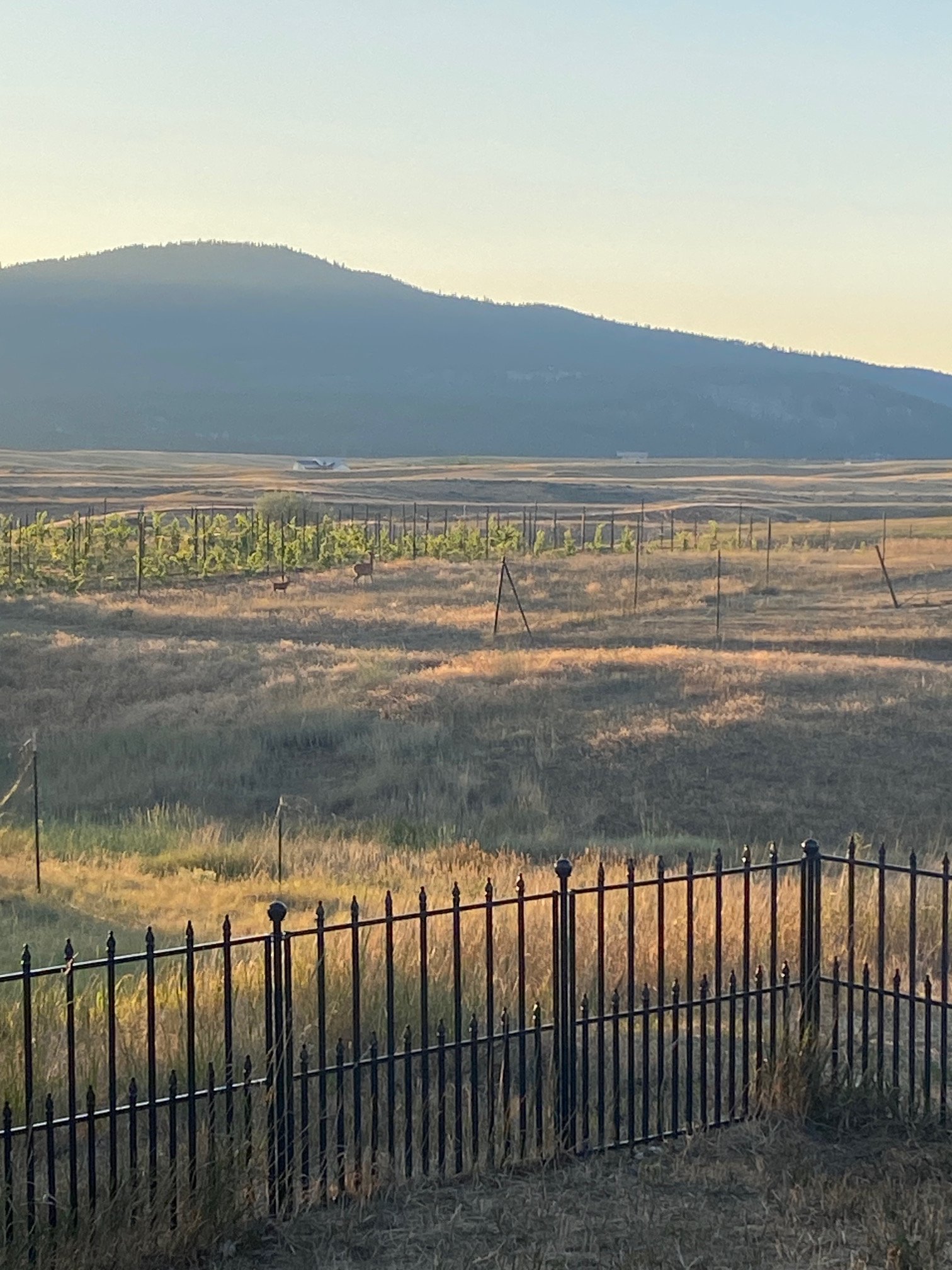
Explore the Heart of
Montana Wine Country
Table Wine - Fruit Wine - hard Cider.
Plains, Montana
Big Ideas,
Real Impact.
Sustainable Wine Growing and Natural Wine Production
Sustainable wine growing and natural wine production are two complementary approaches that prioritize ecosystem health, biodiversity, and minimal intervention—resulting in wines that reflect place, season, and a little winemaker whimsy.
Sustainable Wine Growing
Soil-first philosophy: Healthy vines begin with living soil. Practices include cover cropping, compost application, reduced tillage, and encouraging soil microbial life. These build structure, retain moisture, and unlock nutrients so vines can thrive without heavy synthetic inputs.
Water stewardship: Efficient irrigation (drip systems, moisture monitoring) combined with drought-tolerant rootstocks, canopy management, and mulching reduces water use while protecting fruit quality.
Integrated pest management (IPM): Instead of blanket pesticide use, IPM relies on monitoring, biological controls (beneficial insects, birds, predatory mites), mating disruption, and targeted organic treatments only when necessary.
Biodiversity and habitat: Hedgerows, wildflower strips, cover crops, and on-property habitat corridors support pollinators and natural predators, improving resilience and reducing pest pressure. Native plantings also reduce maintenance and reinforce terroir.
Energy and materials: Renewable energy, efficient equipment, on-site composting lower the vineyard’s carbon footprint. Thoughtful sourcing for bottles, labels, and corks further reduces environmental impact.
Natural Wine Production
Minimal intervention in the cellar: Natural winemaking emphasizes gentle handling—sorting fruit carefully, low-impact pressing, and minimal additions. The aim is to let fruit, site, and vintage speak for themselves.
No or minimal fining and filtration: To retain texture, color, and flavor compounds, natural wines are often unfiltered and unfined, which can result in a slightly hazy appearance and sediment but greater sensory vibrancy.
Limited or no additives: Acid, tannin, color, commercial enzymes, or concentrated juices are used minimally or avoided. The philosophy is purity: make wine from grapes, or fruit.
Embrace of vintage variation: Natural winemakers celebrate differences from year to year. Rather than forcing consistency, they bottle the individuality of each harvest, even if it means more unpredictability in flavor and stability.
Why it matters Together, sustainable viticulture and natural winemaking reduce environmental impact, conserve resources, and foster farms and cellars that are resilient and biodiverse. The result is wines that are often more expressive of their place and season—sometimes funky, sometimes delicate, always honest.
A pragmatic note: Natural wines can require gentle handling in transit, careful cellar hygiene, and thoughtful consumer expectations (possible cloudiness, evolving flavors, and shorter shelf lives in some cases). When done well, these practices produce memorable wines with character, soul, and a smaller footprint—a tasty handshake between nature and human craft. Driven by curiosity and built on purpose, this is where bold thinking meets thoughtful execution. Let’s create something meaningful together.
Inside
our world
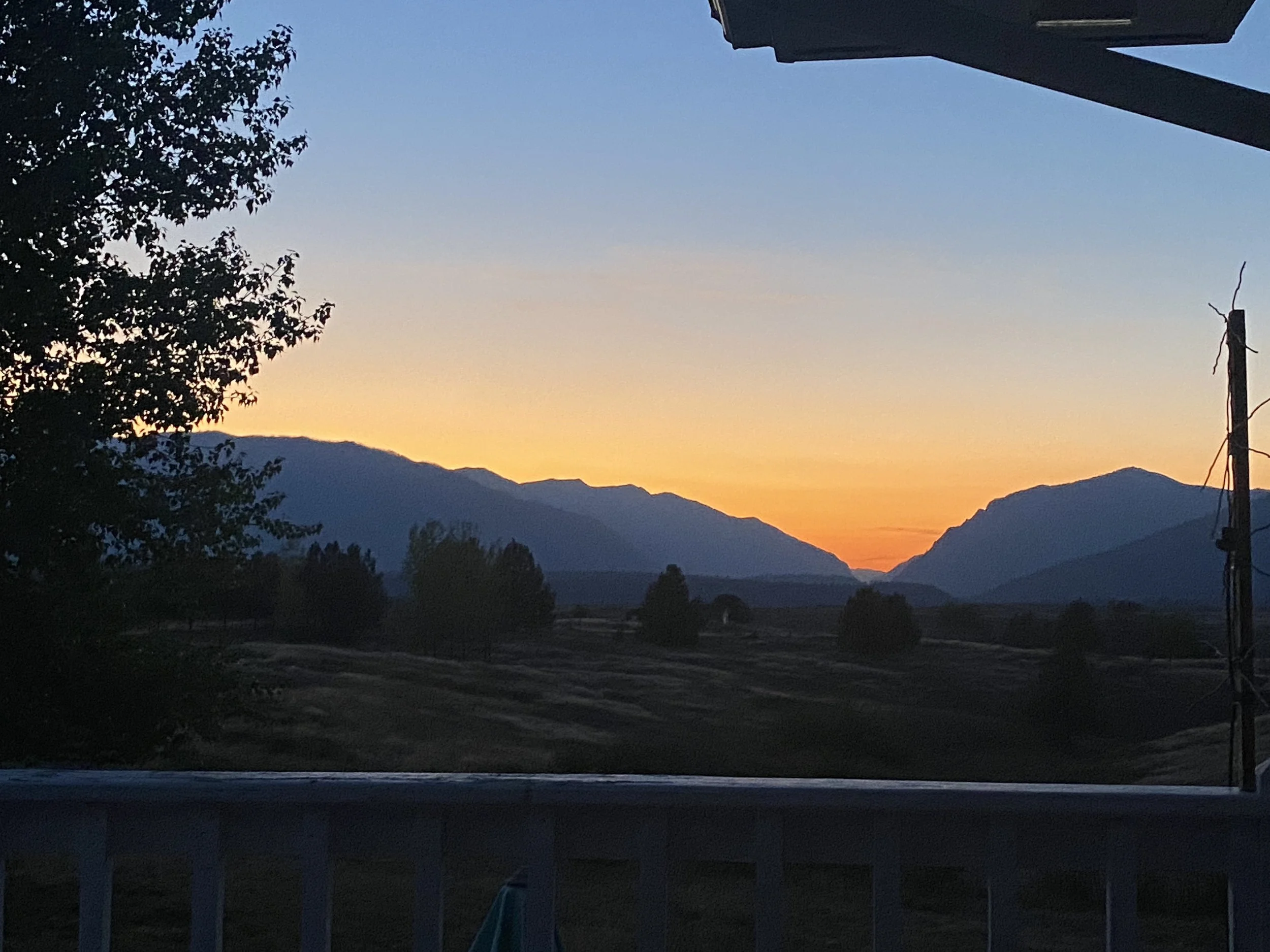
Nestled amidst rolling hills, between the Coeur d’Alene and Cabinet Mountains, our vineyards invite you to savor the true essence of winemaking above the Lower Clark Fork river. We pride ourselves on crafting experiences as memorable as our wines, fostering a place where every guest feels like family.
Follow us on social



Contact Us
Interested in working together or just want to talk about wine? Fill out some info and we will be in touch shortly. We can’t wait to hear from you!